Council Grants Program
The Columbia University Global Mental Health Council Grants Program was an initiative of the Council for the Advancement of Global Mental Health Research to fund new investigators and new ideas in global mental health. All funds raised through the Council have supported Council Grant Program recipients to complete innovative research in their specific focus area of global mental health.
The Columbia University Global Mental Health Council Grants Program is not currently accepting applications. To explore research opportunities, please visit our Global Mental Health Scholars page.
2022-2023 Council Grant Recipients
The Call for Proposals for the Council Grants Program was released in February 2022 and closed on June 1st 2022. Four grant proposals were chosen for funding for the 2022-2023 school year:
Melissa A. Stockton, PhD, & Milton L. Wainberg, MD
Addressing HIV-Mental Illness Stigma in Malawi by Adapting the ‘Total Facility Approach’ to Stigma-Reduction in Healthcare Facilities.
In Malawi, nearly 10% of adults are living with HIV, of whom, an estimated 30% also have depression. People living with HIV and experiencing depression face stigma associated with both of these conditions, which then negatively impacts healthcare access and worsens health outcomes. The Malawi Ministry of Health (MoH) is committed to both reducing stigma due to HIV and mental illness and expanding mental health services into the primary care settings. To further bolster existing investments in mental health and HIV care, this study aims to use a ‘total-facility approach’ to reduce stigma at the healthcare facility level. Through engaging staff in participatory research, the team seeks to 1) better understand how intersecting stigmas undermine the delivery of services and identify the factors that may impact a multi-level stigma reduction intervention, and 2) adapt and test the ‘total-facility approach’ curriculum to improve the quality of HIV and mental health care in Malawi.
Thiago M. Fidalgo, MD, PhD, Adam Bisaga, MD, & Silvia S. Martins, MD, PhD
A Pilot Safety and Efficacy Trial of Lisdexamfetamine Combined with a Psychosocial Intervention to Initiate Abstinence in Patients with Severe Cocaine Use Disorder.
Cocaine Use Disorder (CUD) is a pressing public health concern. Although psychosocial interventions, including various forms of therapy, have shown to be effective in promoting abstinence among individuals, no medication-based treatment has been approved or recommended by regulatory agencies yet. This study aims to explore the safety, efficacy, and feasibility of a comprehensive treatment program, where individuals are provided with lisdexamfetamine (a stimulant medication) and psychosocial treatment in an outpatient addiction facility in Sao Paulo, Brazil. By comparing the health outcomes and abstinence rates of individuals who only received psychosocial treatment to those who received medication and psychosocial intervention, the team will be able to evaluate the effects of lisdexamfetamine and identify other factors that help or hinder the implementation of a medication-based treatment for Cocaine Use Disorder. The results of this study can inform larger studies of this medication in countries globally.
Alejandra Paniagua-Avila, MD, MPH, Ezra Susser, MD, DrPH, Jeremy Kane, PhD, & Alex Cohen, PhD
Co-Developing a Community-Based Recovery-Oriented Service Model with Maya-Indigenous People Living with Psychotic Disorders in Sololá, Guatemala.
People living with psychotic disorders in low- and middle-income countries (LMICs) are impacted by disability, mortality, social exclusion, and human rights violations, which partly stem from limited access to mental health treatment and services. Guatemala, a country of 18 million individuals with 50% Maya-indigenous population, is currently facing the aftermath of 36-year-long civil war and the continued impact of COVID-19 pandemic. Maya-indigenous people living with psychotic disorders experience the compounded effects of systemic racism, civil war violence, and poverty, coupled with a lack of community-based mental healthcare and diverse views of psychosis. This study aims to explore Maya-indigenous people’s perceptions on mental health, evaluate the availability of community-based resources, and determine the role of community interventions for Maya-indigenous people living with psychotic disorders. This study will be guided by a community advisory board. The findings from this study have the potential to inform the development of mental health services for indigenous people living with psychotic disorders in Guatemala and other LMICs.
Connie Svob, PhD, & Milton L. Wainberg, MD
Working with Iglesias to Reduce Mental Health Disparities in the South Bronx and Northern Manhattan.
In the South Bronx and Northern Manhattan, places of worship serve a substantial portion of Hispanic communities and are uniquely positioned to deliver community-based healthcare. Mental and Financial Wellness Everywhere (m$Welle) is a brief, evidence-based digital tool that can be used to screen for mental disorders and social determinants of health (e.g., poverty, unemployment, disability, exposure to stigma, access to healthcare resources, structural racism, etc.). m$Welle is also an intervention tool that has been used to train, certify, and supervise lay workers in providing evidence-based care for mental and substance use disorders. By working with key stakeholders in two churches (such as clergy, parishioners, volunteers, and mental health providers), the team aims to identify mental health needs and the most appropriate ways to implement m$Welle. The study will strengthen understanding of factors that cause gaps in mental healthcare access and treatment for Hispanic communities and provide a basis for the adoption of m$Welle in other neighborhoods and faith-based organizations.
2021-2022 Council Grant Recipients
The Call for Proposals for the Council Grants Program was released in February 2021 and closed on April 18th 2021. Four grant proposals were chosen for funding for the 2021-2022 school year:
Rogerio Mulumba, MD, Iruma Bello, PhD, Lisa Dixon, MD, MPH, & Milton L. Wainberg, MD
Development of a Recovery-oriented Psychosocial Treatment Model for Individuals with Schizophrenia in Mozambique.
In Mozambique, schizophrenia is the leading cause of hospitalizations in psychiatric units and the second leading diagnosis associated with seeking outpatient psychiatric services. However, the national mental health system is still being developed and expanded. There is an insufficient number of trained mental health providers to meet the mental health needs and a heavy reliance on antipsychotic medication as treatment. Furthermore, cultural attitudes towards mental illness and traditional healing methods lead to the use of mental health services primarily for crisis situations. Given this context, we aim to engage community members in research to 1) identify local attitudes towards treatment of and recovery from schizophrenia; 2) convene a workgroup to develop culturally-resonant psychosocial interventions that can complement medication management; and 3) assess if the intervention is well-received by providers at a local community health center. This data will help to refine the intervention and inform future implementation plans for testing feasibility and acceptability more broadly.
Annika Sweetland, DrPH, MPH & Francine Cournos, MD
Exploring Patients’ and Provider’ Perspectives on Managing the Complex Multimorbidities of TB, HIV, Common Mental Disorders and Substance Use Disorders within Primary Care in Mozambique.
Tuberculosis (TB), HIV, and common mental and substance use disorders are frequently co-occurring and negatively synergistic. HIV, mental, and substance use disorders are risk factors for TB; TB and HIV are risk factors for mental and substance use disorders; the combination of having multiple chronic health conditions (multimorbidities) is associated with increased morbidity, mortality, and increased infectious disease transmission. While integrating mental and medical care to address these conditions is considered essential, little is known about addressing these concerns in low- and middle-income countries, as 95% of multimorbidity research comes from high-income countries and has a very different focus on co-occurring, non-infectious diseases in an aging population. This study aims to build on lessons from high-income countries by adapting a multimorbidity framework for low- and middle-income countries. In doing so, an integrated strategy for addressing TB, HIV, and common mental and substance use disorders in Mozambique can be developed.
Christina Mehranbod, MPH, Jeremy Kane, PhD, MPH, Kim Hekimian, PhD, & Christopher Morrison, PhD, MPH
Post-war, Mid-pandemic: A Mixed Methods Study of Alcohol Consumption Patterns and Alcohol Use Environment of Young Adults in Yerevan, Armenia.
In 2020, Armenia experienced the compounding impact of a devastating war, the COVID-19 pandemic, and a continued high rate of premature death. Conflict, crises, and instability are often associated with the increased risk of unhealthy alcohol use. Low-and-middle-income countries (LMICs) are disproportionately affected by the consequences of unhealthy alcohol use. The goal of this research is to identify opportunities for preventive intervention to reduce alcohol use and related harms in Armenia. This research project will 1) assess the distribution and density of alcohol outlets and alcohol advertisements in the neighborhoods of Yerevan, the capital city of Armenia; 2) explore youth adults’ perceptions, views, behavioral norms, and cultural contexts related to alcohol use and mental health; and 3) examine health care providers’ views of potential screening and intervention methods to address unhealthy alcohol use in young adults. This research has the potential to inform programming and policies to develop affordable interventions that reduce unhealthy alcohol use and improve mental health.
Jennifer Mootz, PhD, & Michael Wessells, PhD
Implementation Mapping of Digitized Mental Health Services for Urban Internally Displaced People in Mozambique.
An escalating religious insurgency in the northern Mozambican province of Cabo Delgado has resulted in almost 2,000 civilian deaths and 674,000 internally displaced people (IDPs) who have migrated to the neighboring Nampula Province and provincial capital. Nampula City, host to the largest number of IDPs in Nampula Province, is the central hub where two federally funded studies, in partnership with the Mozambican Ministry of Health, are taking place to increase comprehensive public mental health care using technology and to tailor mental health care to address social determinants and additional vulnerabilities, such as exposure to intimate partner violence, among IDPs. We propose to leverage these two existing studies and further respond to the unmet mental health needs of urban IDPs in Nampula City. We aim to 1) deepen our understanding of mental health needs and community members’ perceptions of digital mental health services for urban IDPs; and 2) develop a coordinated strategy to implement community-based, digitized mental illness detection and treatment among urban IDPs. The findings from this study will represent a low-cost, community-informed, digitized mental health care strategy that could be relevant for use among urban IDPs in other low- and middle-income countries.
2020-2021 Council Grant Recipients:
The Call for Proposals for the Council Grant Program was released in May 2020 and closed on July 15th, 2020. Four grant proposals were chosen for funding for the 2020-2021 school year:
Ali Giusto, PhD & Milton Wainberg, MD
Leveraging Community Strengths to Implement a Task-shifted Alcohol Use and Family Engagement Treatment for Fathers in Kenya
- Background: Problem drinking disproportionally affects men with disabling individual and family consequences, including couple violence and child mental illness, which can be exacerbated in low- and middle-income countries.
- Research Goals: This study aims to identify factors that will shape the large-scale implementation of a task-shifted intervention (intervention delivered by non-specialist, lay providers) targeting alcohol use and family engagement among fathers with problem drinking in Kenya. By addressing the burden of alcohol use, this intervention has the potential to improve family relationships and reduce mental distress among fathers, their partners, and their children.
- Progress and Impact: During 2020-2021, the team completed all focus groups and interviews in Eldoret, Kenya, with key stakeholders, including policy makers, hospital leaders, professional mental health providers, community and peer mental health providers, men experiencing problem drinking (patients), as well as past providers and patients who participated in the pilot trial of the intervention to be implemented. This initial work has revealed diverse perspectives on barriers and facilitators to delivering care to men in this community, but the need for scalable, affordable outpatient services was a common theme from the interviews. Formal analysis of this information will be presented in multi-stakeholder workgroups to develop a plan for implementation of the mental health treatment relevant for men’s engagement. Partnership with Columbia’s Global Center in Kenya has been essential for facilitating this Council-funded project, and the outcomes of this work have informed the team’s submission of a K23 NIMH award for a future project in Kenya.
Lola Kola, PhD & Kathleen M. Pike, PhD
- Background: Adolescents with perinatal depression have unique needs and are impacted by a variety of barriers (such as low social support and feelings of ostracization) that results in their limited use of health care services and treatment.
- Research goals: This research project evaluates the feasibility and acceptability of a digital health intervention to improve mental health outcomes for adolescents with perinatal depression in Nigeria. By delivering short videos of evidence-based psychosocial interventions in peer-supported groups (supplementing face-to-face treatment in the context of primary care), this intervention has the potential to improve social support and effectiveness of treatment among adolescent mothers.
- Progress and Impact: During 2020-2021, the team recruited adolescents with perinatal depression from primary care centers in Ibadan Oyo State, Nigeria, to participate in small groups facilitated by peer leaders who were under 19 years old and had lived experience with perinatal depression. The peer leaders provided group members with social support during group meetings and through regular phone calls. Educational videos developed based on WHO mhGAP guidelines were also used to manage depression among young mothers. Friendships quickly formed as adolescents and peer leaders contacted each other even outside of the group to discuss their experiences and questions. After the fourteen-week intervention concluded, participants reported that this group intervention helped them see that they can still become who they desire to be, despite their unintended pregnancies. The adolescents also expressed that they would recommend the program to other friends in need. The team will continue to analyze data from this intervention and submit publications that demonstrate how digital health technologies and peer-led groups can enhance the capacity of community mental health care in low and middle-income countries. This research also provides the necessary foundation for an NIH R01 application that will evaluate the use of a mobile phone application and a peer-support group intervention utilizing short videos to treat perinatal depression in adolescent mothers.
María Elena Medina-Mora, PhD & Geoffrey Reed, PhD
- Background: The wellbeing of migrants, who are coming from Central America and traveling through Mexico with the aim of entering the US, is often compromised by extreme poverty or violence in their countries of origin and traumatic circumstances experienced during their journey. Because the vast majority enter Mexico unofficially, little is known about the current size of the migrant population and their physical and mental health needs.
- Research goals: This research initiative tests a methodology that could allow an accurate estimation of the size of the Central American migrant population in Tijuana, Mexico, as well as to better understand the health and mental health of the migrant population. This study will generate critical information that can be used by the Mexican government to address the needs of this population and prevent additional suffering and disease burden.
- Progress and Impact: During 2020-2021, a mathematical model was developed to estimate the size of the migrant population based on information from border crossings and shelters in Tijuana, Mexico. Interviews and questionnaires were also developed and pilot-tested at a local shelter with migrants who had recently entered Mexico from El Salvador, Honduras, Guatemala, and Cuba. Based on feedback from these pilot interviews, the final versions of the questionnaires to measure the population size, experiences, and health of migrants were developed. Interviews have also been conducted with key informants, including doctors, psychologists, coordinators, and volunteers from five different shelters. Due to pandemic-related difficulties, the fieldwork has been slightly delayed, and it is expected that the project will be completed in 2022.
Sandrine Müller, PhD & Sandra Matz, PhD
- Background: Globally, widespread concerns exist about the mental health consequences of the COVID-19 pandemic and social distancing.
- Research Goals: This study leverages a unique dataset gathered from over 980,000 users of the mHealth app Moodpath across multiple countries to study the impact of the pandemic on mental health. By comparing and analyzing data from 2019 and 2020, the team can investigate mood and depression trajectories as a function of the global pandemic and diverse social policies and pandemic experiences.
- Progress and Impact: The team completed the investigation focused on individuals in the US, the UK, and Germany who have provided continuous data throughout 2020 and 2019. The study indicated that people –on average– show high levels of resilience. While the US saw momentary decreases in mood and increases in depression that quickly returned to baseline, Germany and the UK did not experience observable negative effects on mental health. When investigating the impact of social distancing on people’s mental health within-person, there is evidence that social distancing –on average– was associated with a decline in mental health. Funding from the Council Grants Program has allowed this research to be completed and written as a manuscript for publication.
2019-2020 Council Grant Recipients:
Catherine Carlson, PhD, MSW; Laura Cordisco Tsai, PhD, MSSW; and Milton Wainberg, MD
- Background: Survivors of human trafficking experience higher risk of suicide in comparison to the general population, and in the Philippines, there is a critical need for increasing the capacity of service providers to implement Safety Planning Intervention (SPI) and reduce risk of suicide.
- Research Goals: The aim is to adapt the existing Safety Planning Intervention (SPI) and create a culturally-informed intervention for Filipino survivors of human trafficking, as well as strengthen the human resource capacity for suicide prevention within an economic empowerment program.
- Impact and Progress: Throughout 2019-2020 and the COVID-19 pandemic, the team worked with collaborators in the Philippines to complete the culturally-informed adaptation of SPI. The team trained 100% of the staff at the empowerment program, via a 5 month virtual training program, and the staff piloted the new suicide prevention protocol with human-trafficking survivors. During the pilot, there was a decrease in suicidal risk levels for 95% of the participating survivors, and now the team plans to disseminate these findings to improve the capacity of other anti-trafficking organizations to provide suicide prevention interventions for survivors.
- To read a full summary of this research project, please click here.
Manuela Orjuela-Grimm, MD, ScM and Roberto Lewis-Fernández, MD
Coping with Distress in a New Context: Self-coping and Community Resource Utilization Among Migrant Teens in the United States
Background: Teens migrating without a parent are frequently exposed to violence and hunger, and they could have elevated risk of PTSD, depression, generalized anxiety, and substance use disorders. However, there is evidence showing that post-migration factors (participation in community groups and clubs) can facilitate coping strategies (e.g. playing sports, praying) that contribute to positive mental wellbeing.
- Research Goal: This study aims to develop a survey tool to measure the use of community resources and self-coping strategies among a group of 50 teens who migrated from Latin America without a parent, to inform a larger study examining protective factors for migrant teens in the U.S.
- Impact and Progress: During 2019-2020, the team adapted survey tools and conducted virtual interviews with teens in NYC. Although the pandemic presented challenges in the pace and cost of the project, 52 youth were interviewed using the adapted survey tool, and the team also added a component to capture the impact of the pandemic on the migrant youth. The Council Grant not only helped to provide crucial research data that justified the submission of larger grant applications, but it also helped to facilitate strong partnerships among investigators dedicated to integrating mental health in the vision of migrant health.
- To read a full summary of this research project, please click here.
Tsion Firew, MD; Claire Greene, PhD, MPH; and Milton Wainberg, MD
Developing a Screening and Referral System for Mental Health Problems Among Internally Displaced Persons in Ethiopia
Background: Ethiopia is experiencing unprecedented levels of internal displacement countrywide. The government has identified mental health as a priority concern among internally displaced persons (IDPs) and agencies have invested in increased delivery of mental health services, but there has not been systematic monitoring of the availability of care in the communities.
- Research Goals: This study aims to assess the existing resources available to IDPs and returnees in Ethiopia and develop a screening and referral system for displaced persons to gain access to appropriate mental health care.
- Impact and Progress: In early 2020, research activities were delayed due to an emergency response focused on the pandemic by government partners in Ethiopia. However, as of February 2021, the team completed 16 in-depth interviews with mental health providers and humanitarian practitioners. The interviews have revealed the challenges to service delivery, but it also revealed promising strategies to increase access to mental health care. The Council Grant helped to provide preliminary data for the team to use in future projects to continue evaluating strategies that improve access to mental health care for displaced persons in Ethiopia.
- To read a full summary of this research project, please click here.
Franco Mascayano, PhD Student; Ezra Susser, MD, DrPH; and Lisa Dixon, MD, MPH
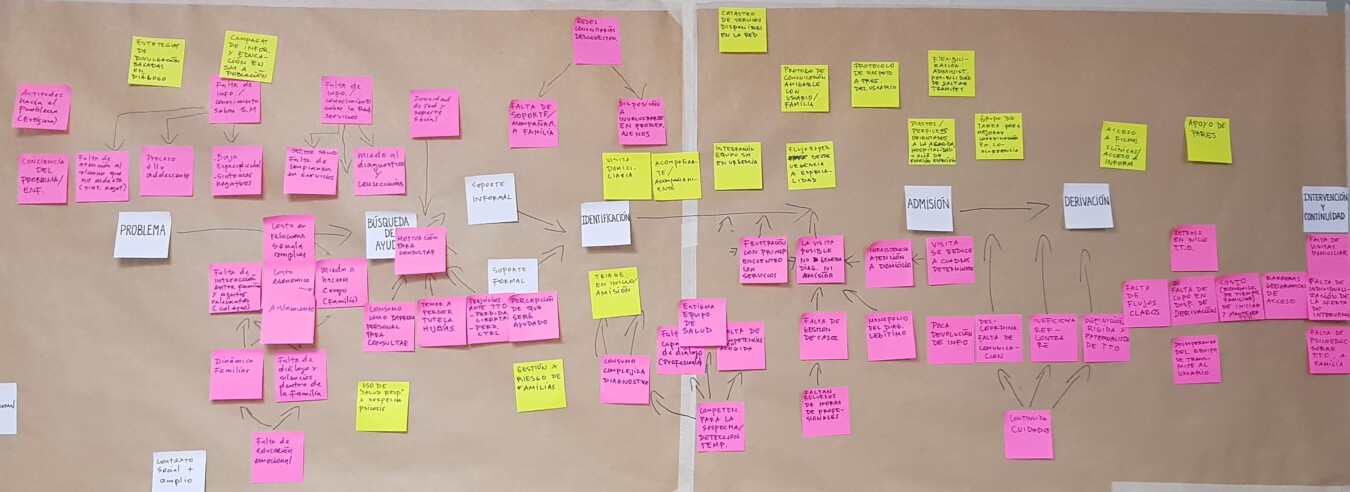
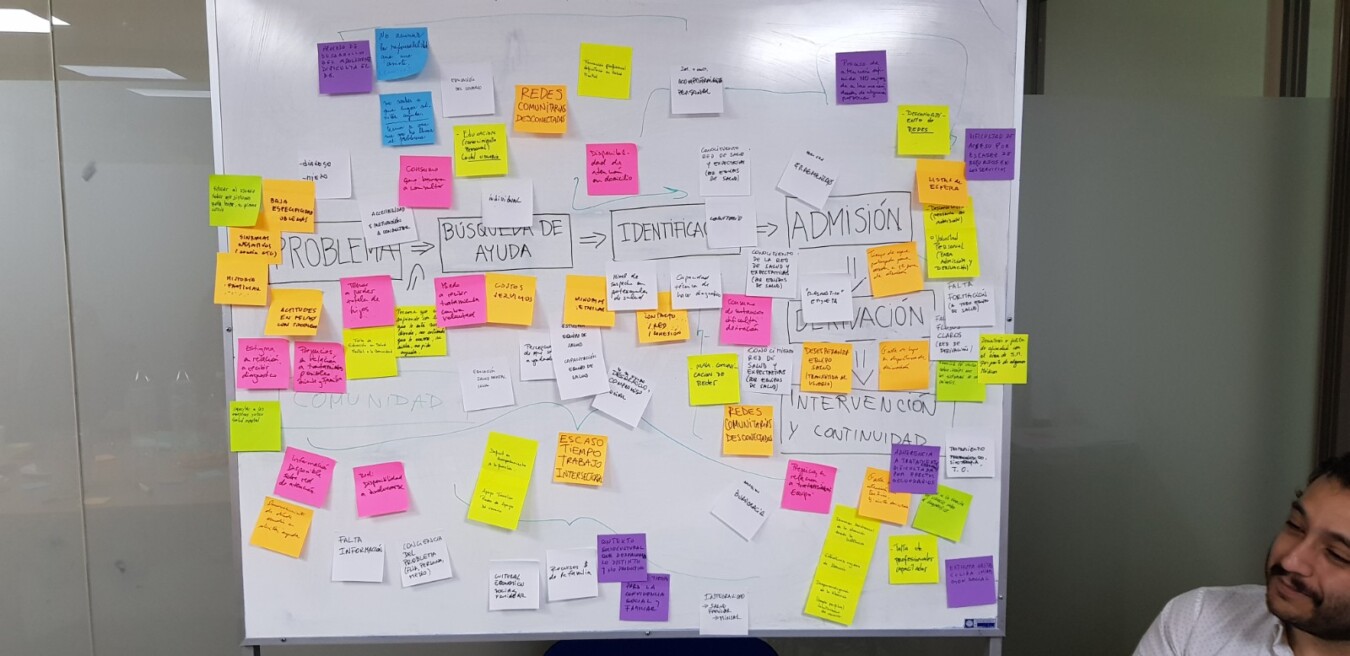
Early Psychosis Identification Program in Chile
- Background: In the absence of early intervention, psychotic disorders tend to become long-term disabling conditions. If individuals can receive treatment for psychosis shortly after initial contact with a healthcare provider, individuals can have greater improvements in short term and long term functioning. Currently, over 70% of the population in Chile receives health and mental health care via the public health system.
- Research Goals: Using a technique that models the key dynamics and bottlenecks of the public healthcare system, this study aims to evaluate and then develop an Early Psychosis Identification (EPI) program that will improve the identification and referral pathways of individuals who experience first episode psychosis.
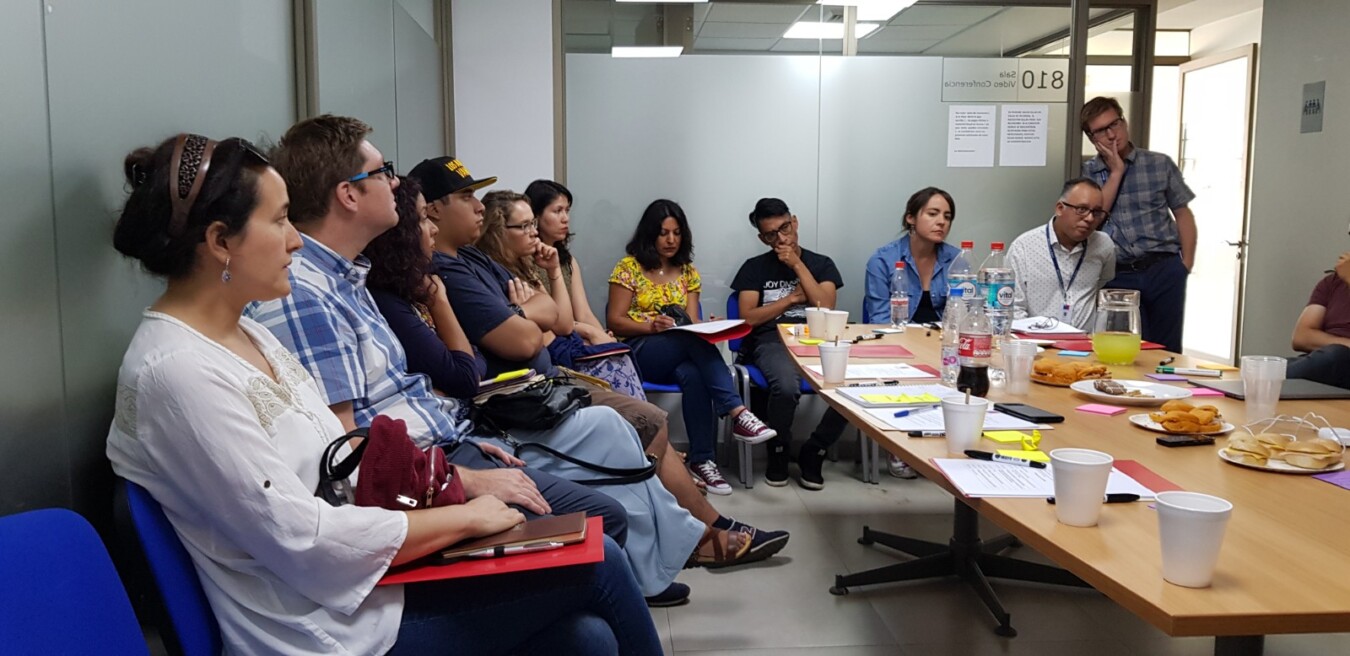
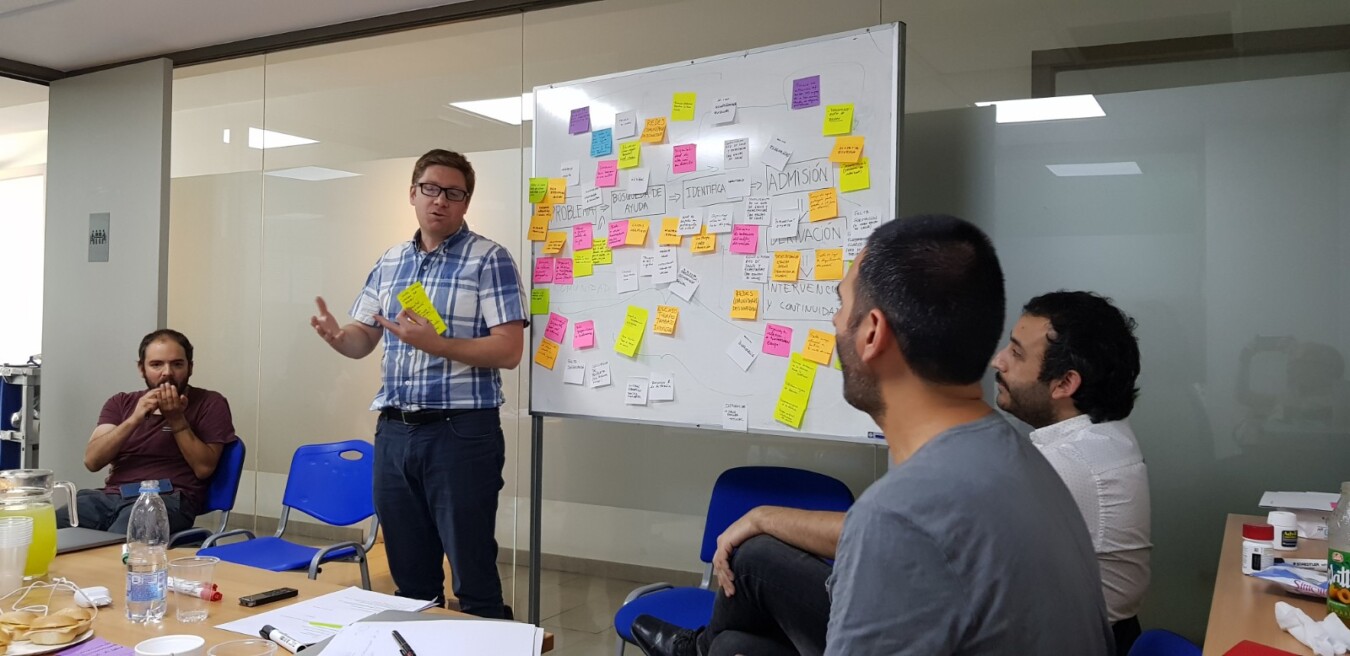
- Impact and Progress: During 2019-2020, the team completed workshops with community members in Chile to develop the initial model outlining how individuals with early psychosis can obtain care. During the COVID-19 pandemic, a second wave of workshops were held virtually with stakeholders to further discuss the specific factors that hinder and help individuals with first episode psychosis receive care. The initial results, made possible by the Council Grant, help to illustrate the historical and current trends of mental health care for individuals with psychosis in Chile.
- To read a full summary of this research project, please click here.
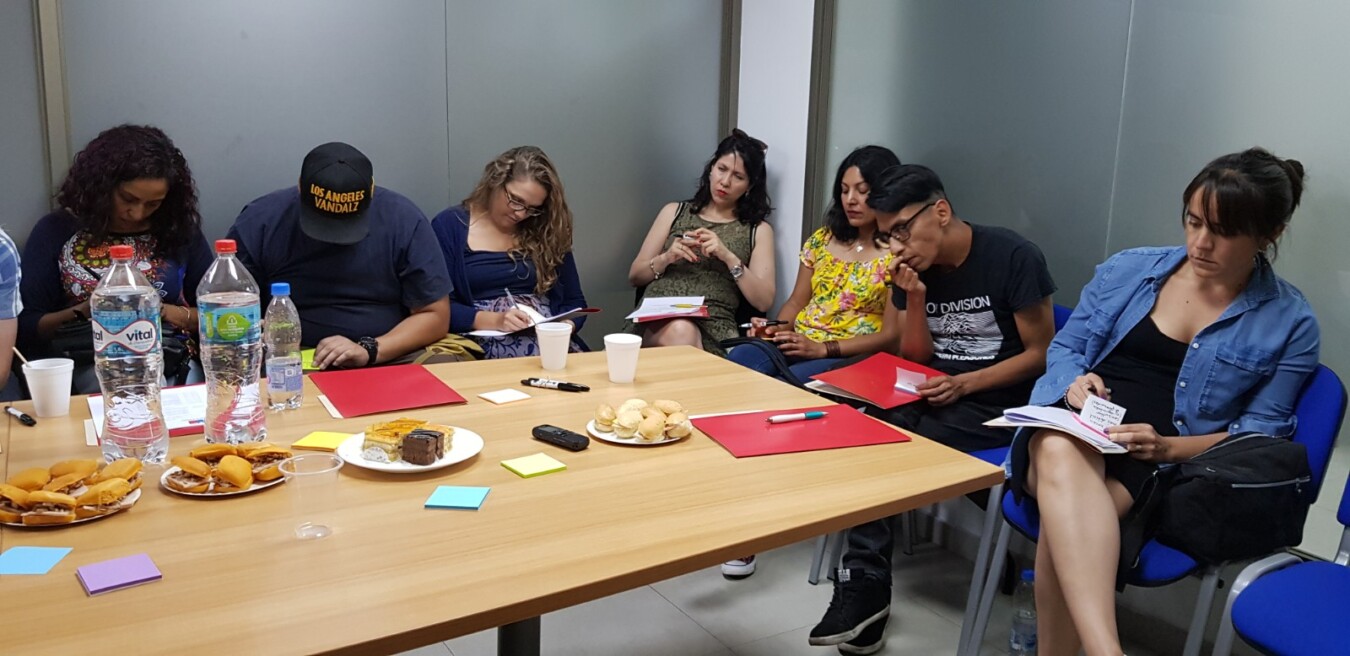
- Photos below are provided by research team, posted with permission and consent from participants.