
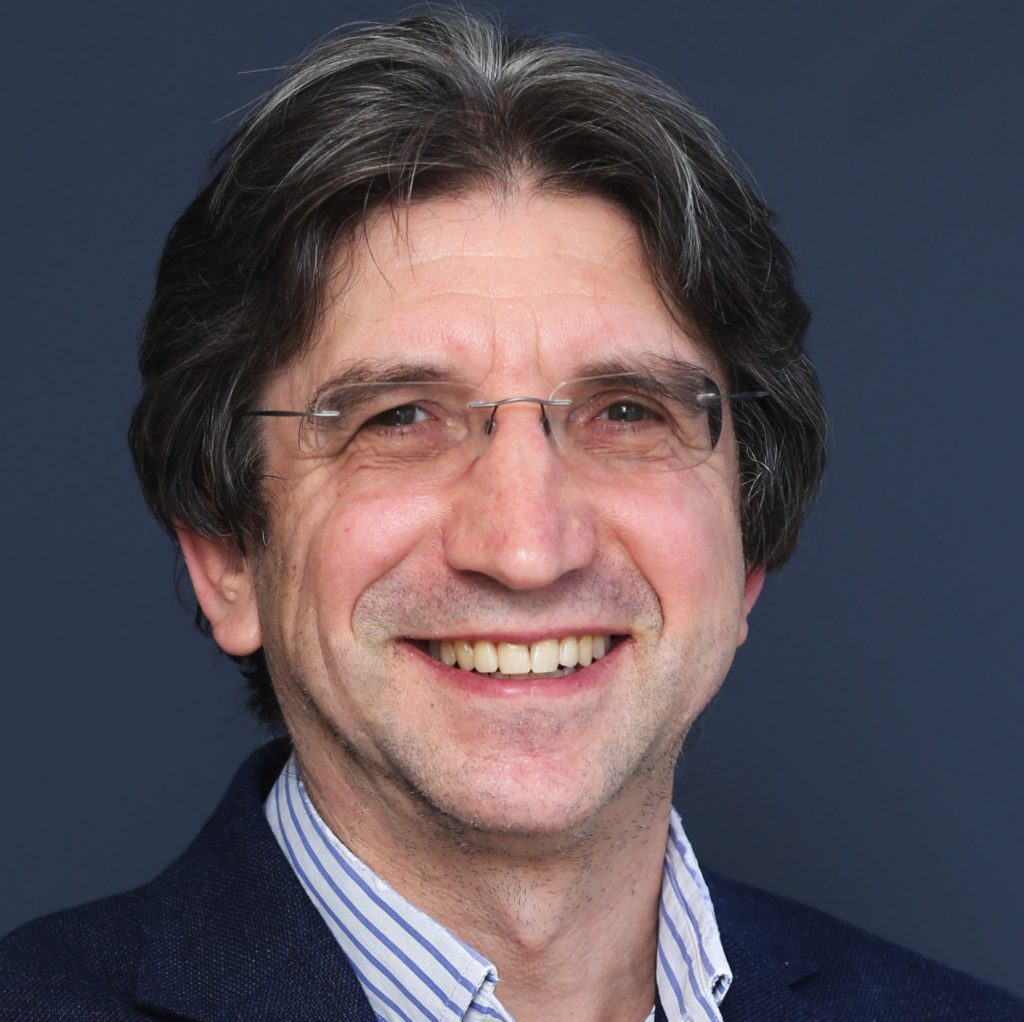
It is with deep sadness that we honor the life and legacy of Dr. Dan Joseph Stein. A pioneer of mental health and neuropsychopharmacology, his life was shaped by a profound devotion to alleviating the burden of mental disorders in his home, South Africa, across the wider African continent, and around the world.
Dr. Stein began his training in 1980 at the University of Cape Town (UCT), his true alma mater, where he would earn his earliest distinctions in biochemistry and psychology, and to which he would eventually return as Professor and Chair of the Department of Psychiatry and Mental Health. After completing medical school at UCT, Dr. Stein moved to New York City to complete his residency training in psychiatry as well as a fellowship in psychopharmacology at Columbia University Medical Center, where he remained a close and lifelong collaborator.
In 1994, Dr. Stein returned home, driven by a commitment rooted in moral duty: to help rebuild science, clinical practice, and public health in post-apartheid South Africa through ethical rigor, unwavering attention to social determinants of health, and a steadfast commitment to human rights. What followed was a relentless pursuit to bridge mental health research and practice across the continent. He founded UCT’s Brain Behavior Initiative, which laid the foundation for the first Neuroscience Institute in Africa. He also established deeply impactful Afrocentric initiatives, recently including the African Brain Health Genome Project, the South African Medical Research Council (SAMRC) Unit on Anxiety & Stress Disorders, and the Drakenstein Child Health Study, with his colleague and partner, Professor Heather Zar.
Dr. Stein was a major contributor to the development and testing of the World Health Organization’s diagnostic manual for mental, behavioural, and neurodevelopmental disorders for the Eleventh Revision of the International Classification of Diseases (ICD-11). His work has focused on anxiety and related disorders, including obsessive-compulsive spectrum conditions and posttraumatic stress disorder, with research ranging from basic neuroscience through clinical research and on to public mental health. He was also a major collaborator and trusted partner from the beginning of our Center, and a catalyzing force for our work on the Flexible Interview for ICD-11 (FLII-11) and its international field testing and dissemination.
Working with Dr. Stein was a privilege that extended beyond our collaboration. It meant engaging with the many talented individuals he inspired, who continue to carry forward his work and legacy, including three of our former Global Mental Health Scholars: Dr. Bulumko Lusu and Dr. Goodman Sibeko, who supported the testing of the ICD-11 classification of mental disorders in UCT’s International Field Study Center for the ICD-11, and Dr. Karen Maré, who coordinated the initial development of the FLII-11, leads FLII-11 training efforts internationally, and is responsible for FLII-11 implementation in South Africa.
Dr. Stein was unfailingly generous in mentoring and supporting others; despite his professional stature, he is mainly remembered for his humility, graciousness, approachability, and the genuine curiosity and care he had for those around him. In his passing, we have lost more than a groundbreaking scientist – we have lost a teacher and a friend.